↓
 
Biomass Rules

Biomass Rules

Adding Clarity to All Things Bio!

Biomass Rules
  • Home
  • About Biomass Rules
  • Contact Biomass Rules
  • Biomass Links that Rule
  • Everything BIO
  • Bio-Blog

Category Archives: economics

Post navigation

← Older posts

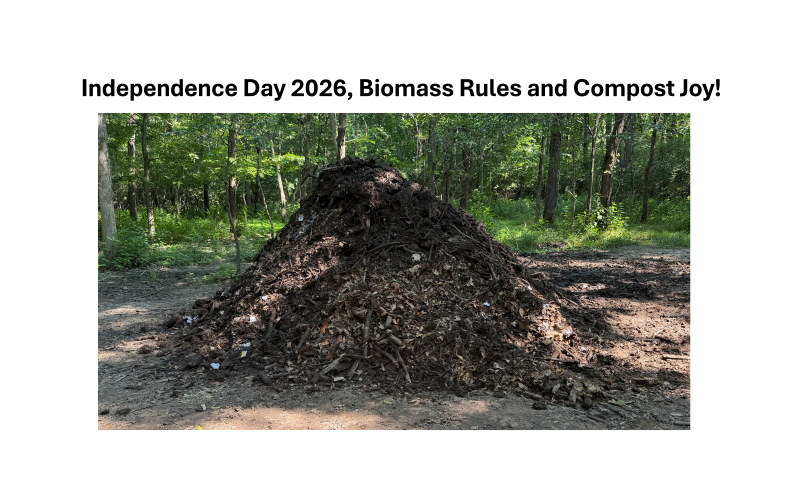
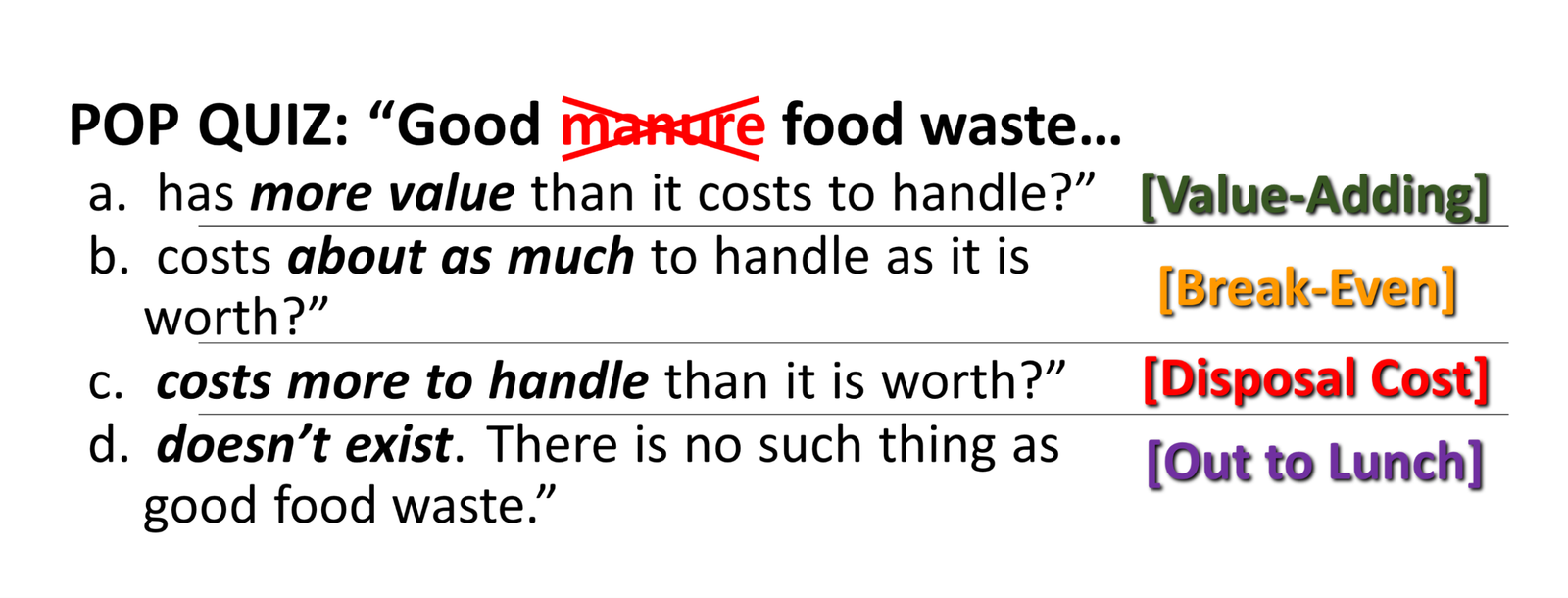
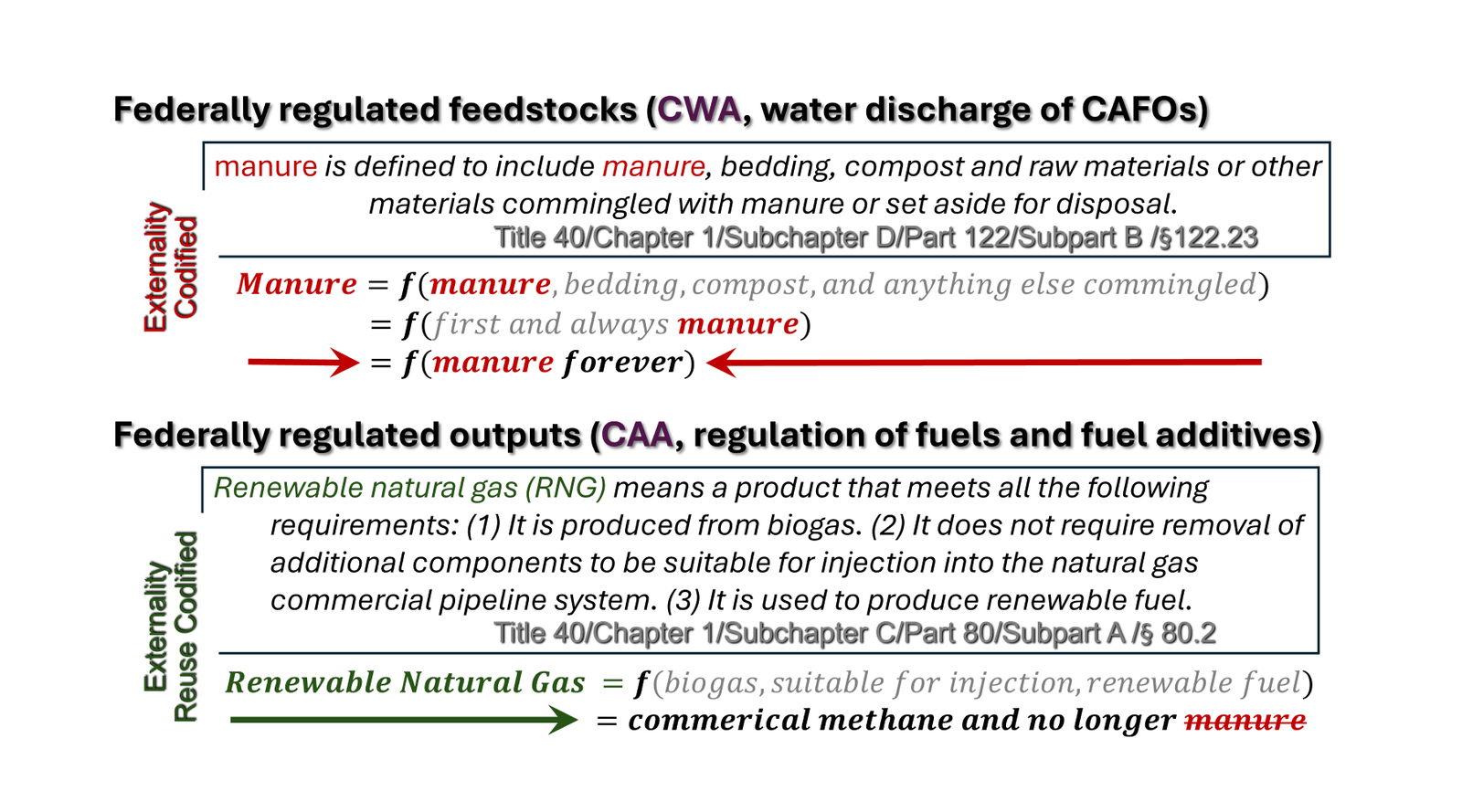
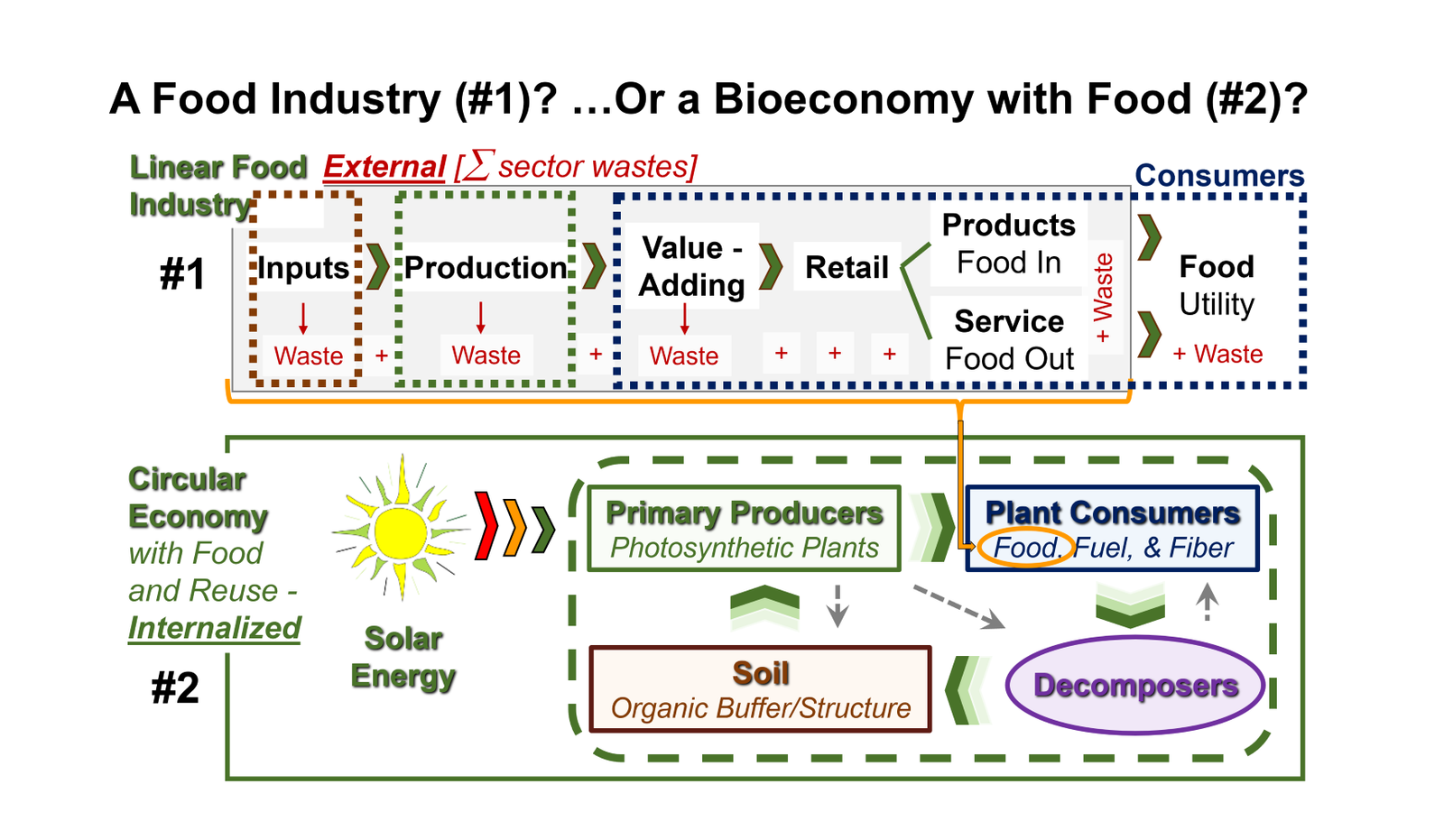
Solutions to Economic Externalities Require Both Problem Definition and Vision

Biomass Rules Posted on May 20, 2026 by Mark JennerMay 20, 2026

In the throes of providing leadership on contract poultry grower challenges in the late 1990s, a brilliant mentor, Larry Cole, PhD., challenged me on whether I wanted to be 1) part of the defining the problem or 2) part of … Continue reading →

Posted in analytics, definition, economics, education, firm, Food Price Fun, macro, policy, Real Adventures in Economics, science, wealth creation | Tagged Biogas Americas 2026, compost, economic externality, food waste, future solutions, landfill gas, manure, poultry grower contracts, problem definition, problem definition vs successful solution, ReFED Food Waste Solutions Summit, reintegrating external component back into economy, RNG, solutions to economic externalities require both problem definition and vision, wastewater, whole economic system | Leave a reply

Farm-based Rural Leadership Account of Philip Bradshaw – A Worthy Read

Biomass Rules Posted on May 18, 2026 by Mark JennerMay 18, 2026

One of the quiet benefits of membership in the St. Louis Agribusiness Club, is getting to know Club members like Philip Bradshaw, a retired farmer from Pike County, Illinois.  At the April 2026 meeting, Philip reintroduced his 2019 book, Your … Continue reading →

Posted in economics, education, farm, firm, macro, policy, production, Real Adventures in Economics, science, Secret Life of Rural Communities, wealth creation | Tagged a worthy read, buying a farm, community leader, consumer choice, countless volunteer hours, discipline to life balance, economic demand, farm science and technology, Farm-based Rural Leadership Account of Philip Bradshaw, farmer, Illinois, market infrastructure, Philip Bradshaw, Pike County, political network, pork producer, rise to leadership, soybean association, trade missions, Your Food My Adventure | Leave a reply

Greenville University Agribusiness, a Decade of Program Success

Biomass Rules Posted on May 14, 2026 by Mark JennerMay 14, 2026

In 2016, I was invited to build a 4-year agribusiness program at Greenville University (GU) in Greenville, Illinois.  We did it.  Success is sometimes difficult to measure, but in this case, success is a measure of achieving our goals and … Continue reading →

Posted in analytics, definition, economics, education, policy, Real Adventures in Economics, science, wealth creation | Tagged 16-week on campus semester, 35 graduates, 4-year, 8-week online semester, a decade of program success, agribusiness demand greater than supply, agricultural fluency, BS agribusiness, business skills, COVID, critical thinking, decade-long program, eventual 7 agribusiness courses, Greenville Illinois, Greenville University agribusiness, initial 4 agribusiness courses, multiple agribusiness definitions, online delivery, online served as foundation for online and on campus curricula | Leave a reply

Which Sector Leads Agricultural Workforce Development?

Biomass Rules Posted on May 8, 2026 by Mark JennerMay 8, 2026

Is it the 4-year, higher education, secondary education, or the rapidly changing agricultural industries?  In a perfect world all these groups would complement each other.  They do work together, actually, but under the surface there is competition for that leadership … Continue reading →

Posted in analytics, definition, economics, education, policy, Real Adventures in Economics, science, wealth creation | Tagged agriculture, bachelors, community college, competitive, complementary, curriculum leadership, Economic Research Service (ERS), educational attainment, high school, metropolitan, nonmetropolitan, regional coordination, St. Louis Agribusiness Club, USDA, vocational, which sector leads agricultural workforce development, workforce development | Leave a reply

Where Have All the Domestically Produced Manure Nutrients Gone?

Biomass Rules Posted on May 5, 2026 by Mark JennerMay 5, 2026

We are still using them. This chart is from the data in the USDA, 2022 Census of Agriculture, Volume 1, Table 40,  Fertilizers and Chemicals Applied: 2022 and 2017.  It is convenient that the Census of Agriculture now contains manure … Continue reading →

Posted in analytics, definition, economics, farm, firm, policy, production, science | Tagged Census of Agriculture, chemical application, conventional fertilizers, crop nutrient demand, grazing animal manure not included, limited manure nutrient markets, local production, local use, management matters, manure nutrients, manure nutrients costly to transport, manure nutrients supply, percent manure application acres, Table 40, treated acres, USDA, where have all the domestically produced manure nutrients gone | Leave a reply

Composting Adds Value Regardless of the Economic Chaos Flavor of the Day

Biomass Rules Posted on April 20, 2026 by Mark JennerApril 20, 2026

With great confidence, all organics are going to rot.  There is a gratifying consistency in this certainty.  The global and US farm economies are on fire with wars and rumors of wars.  It is a difficult season to be a … Continue reading →

Posted in analytics, definition, economics, education, farm, firm, policy, production, Real Adventures in Economics, science, wealth creation | Tagged carbon rots, compost, composting adds value regardless of the economic chaos flavor of the day, converting waste carbon feedstocks into marginal benefits, economics, emotional therapy, farming, improved productivity, improved quality, long run success, non-monetary benefits, organic matter, physical exercise, soil organic buffer, time as an input, water-holding capacity | Leave a reply

Negative Population Growth in US Rural Nonmetropolitan Counties

Biomass Rules Posted on April 3, 2026 by Mark JennerApril 3, 2026

In January 2026, the USDA, Economic Research Service (ERS) published the latest update of Rural America at a Glance: 2025 Edition.  The companion chart to this post is from that publication, but is also the same chart that was published … Continue reading →

Posted in definition, economics, macro, policy, Secret Life of Rural Communities, wealth creation | Tagged Economic Research Service (ERS), metropolitan (metro), Metropolitan Statistical Area, natural cycle growth rate, negative population growth in US rural nonmetropolitan counties, net migration rate, nonmetropolitan (non-metro), rural, Rural America at a Glance, total growth rate, urban, USDA | Leave a reply

Unpacking the Latest ReFED Food Waste Impact Findings

Biomass Rules Posted on April 1, 2026 by Mark JennerApril 2, 2026

Last year, I became aware of ReFED.org and their work on food waste.  Their report, “From Surplus to Solutions: 2025 ReFED U.S. Food Waste Report,” was popular in the food waste circles.  It is an impressive document and an even … Continue reading →

Posted in analytics, definition, economics, farm, Food Price Fun, macro, policy, Real Adventures in Economics, science | Tagged agricultural waste, bioeconomy, commercial partners, dynamic food waste data, food service, food shortage, food waste, food waste as a container, food waste policy must allow adaptation, food waste valuation, on-farm food waste, ReFED.org, retail food, surplus food, unpacking the latest ReFED food waste impact findings, unused food, US vs. global food waste data | Leave a reply

National Ag Day and the Role of Agribusiness in the Economy

Biomass Rules Posted on March 27, 2026 by Mark JennerMarch 30, 2026

In celebration of National Ag Day, March 24, 2026, we are rallying from a winter of light blog posting, to recognize agribusiness’ role in the US economy.  There is general consensus about the scope of the agribusiness industry, except within … Continue reading →

Posted in analytics, definition, economics, education, farm, firm, macro, policy, production, science | Tagged 2026, agribusiness, agribusiness as farm input supply, Cook and Chaddad (2000), creative destruction, Davis and Goldberg (1957), Economic Research Service (ERS), food difficult to model economically, Food Dollar Series, food market channels, food supply-chain, innovation, March 3 2026 release, national ag day, national ag day and the role of agribusiness in the economy, undergraduate agribusiness program, USDA | Leave a reply

Nora Goldstein and the BioCycle Legacy Continue

Biomass Rules Posted on February 6, 2026 by Mark JennerFebruary 6, 2026

This news of Nora Goldstein’s changing role at BioCycle came out two weeks ago and it was too important not to circle back.  I am grateful to have had the chance to work and learn together with Nora Goldstein and … Continue reading →

Posted in analytics, Biomass Rules, definition, economics, education, policy, Real Adventures in Economics, science | Leave a reply

Post navigation

← Older posts

Recent Posts

  • Solutions to Economic Externalities Require Both Problem Definition and Vision
  • Farm-based Rural Leadership Account of Philip Bradshaw – A Worthy Read
  • Greenville University Agribusiness, a Decade of Program Success
  • Which Sector Leads Agricultural Workforce Development?
  • Where Have All the Domestically Produced Manure Nutrients Gone?

Mark Jenner, PhD
Biomass Rules
Greenville, IL 62246
c. 618.223.9331
e. biomassrules@gmail.com

Linked In Logo for Mark Jenner's Profile including Biomass Rules.com!

Mission Statement:
Providing solutions through the strategic utilization of all kinds of biomass; the development of new markets for food, fiber, and fuels; and streamlining regulations.

bio·mass:
ˈbī-ō-ˌmas. noun. 1 : the unit area or volume of living matter, 2 : plant materials and animal waste used as renewable feedstocks into new processes.

rules:
'rül. 1: noun. 1 : regulations, bylaws or governing procedure, 2: verb. a : to exert control, direction, or influence on, b : to declare authoritatively.

Manure…
is not a four-letter word.

©2024—Biomass Rules—All Rights Reserved.

↑