
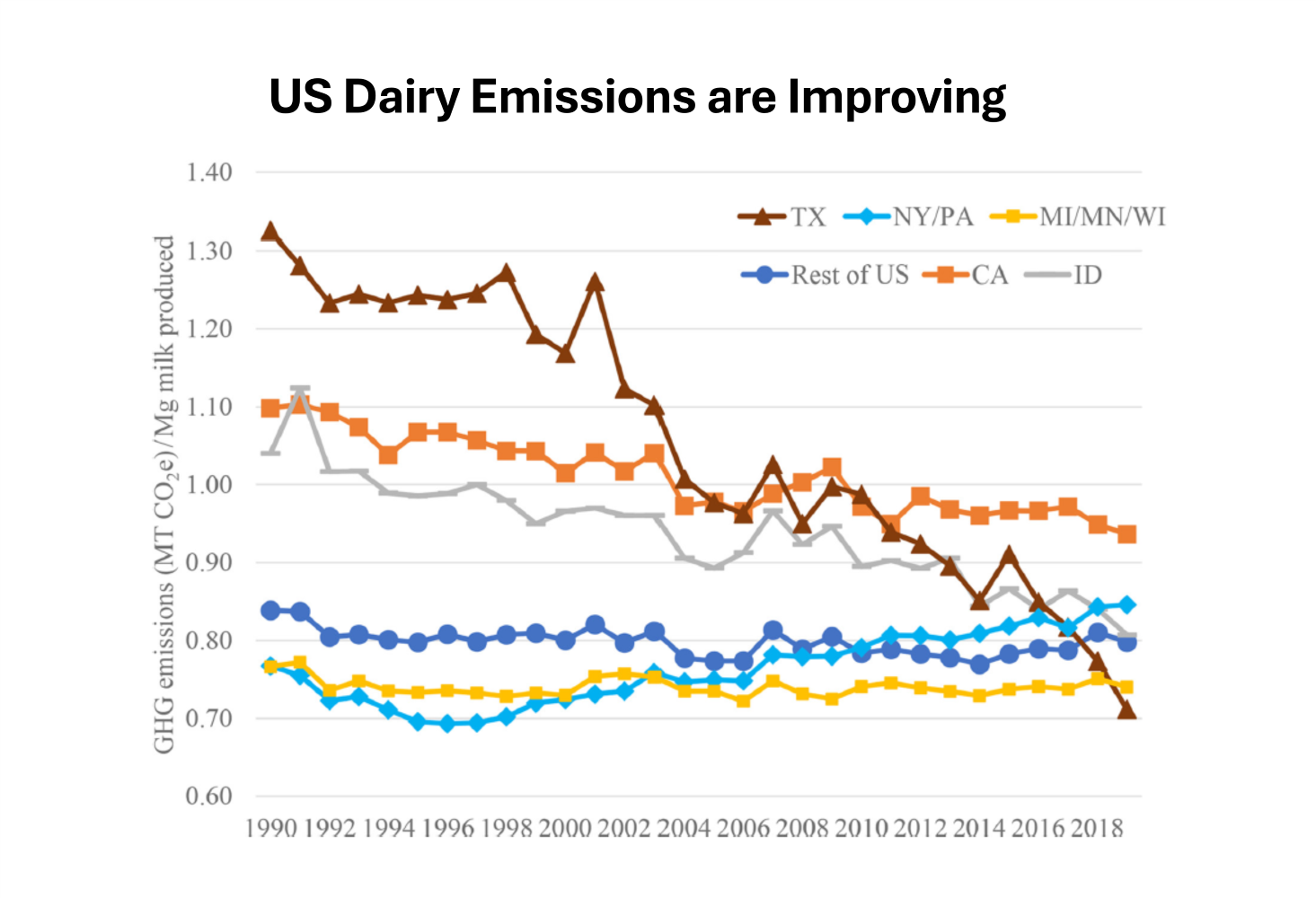
US Dairy Farms Keep Lowering Methane Emissions
The fierce and relentless innovation of US farmers is uplifting. Some farms, particularly US dairy farms, can serve as a scapegoat for methane production. This 2023 Journal of Dairy Science article by Jeffrey O’Hara, State-level trends in the greenhouse gas … Continue reading →
Reflecting on the Start of a College Teaching Career, August 2016
When I started teaching in 2016, I did not have a lot of classroom teaching experience. But I had been solving difficult problems for decades. I wanted to teach the students the best knowledge, but also to think critically. They … Continue reading →
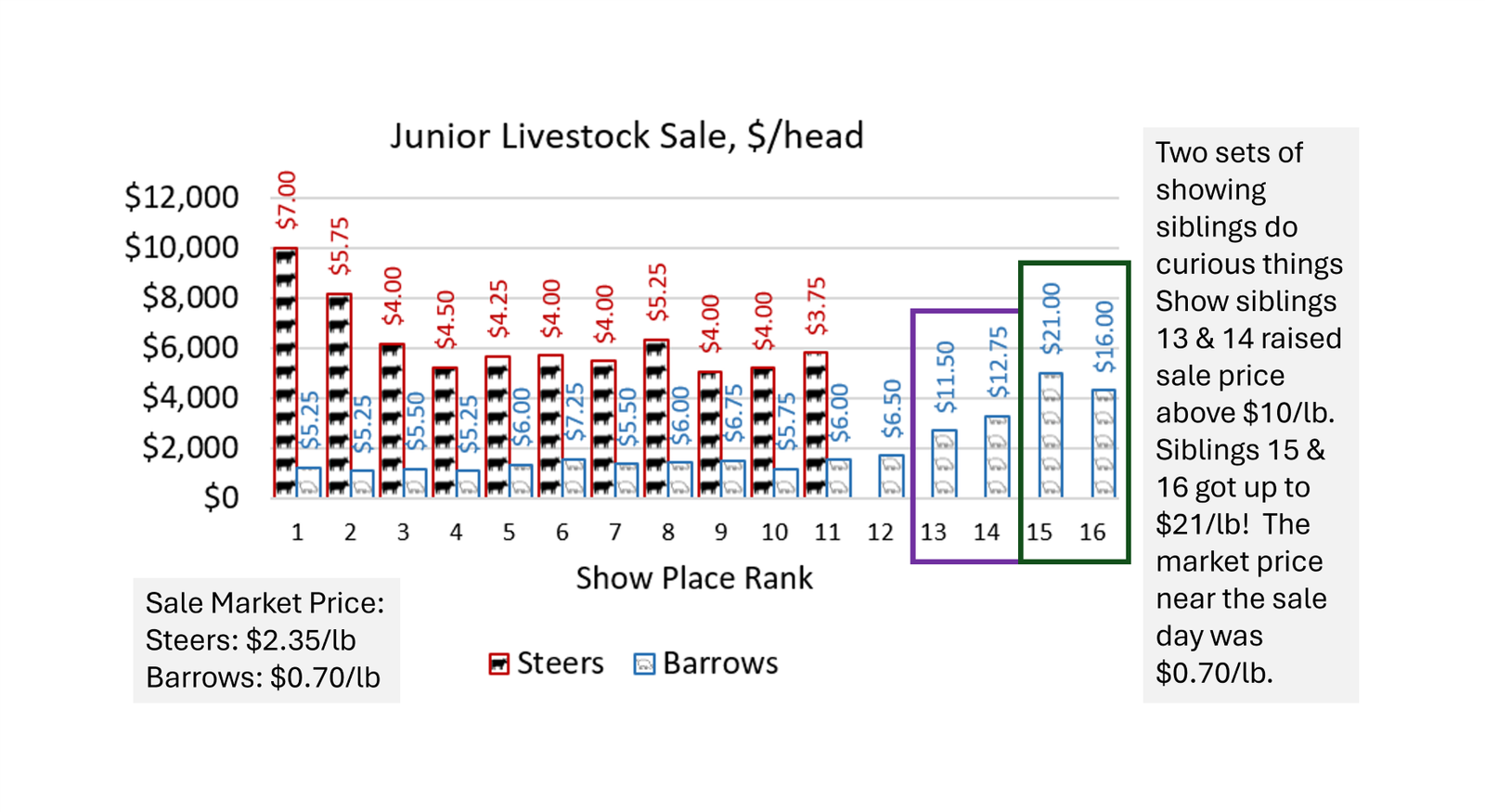
Junior Livestock Sales – Unbridled Community Joy Over Rural Youth
It is early August, and in this community, the Bond County Fair has just concluded. A highlight is always the Junior Livestock Sale. After the animals have been shown and judged, they are sold. This year there were 11 steers … Continue reading →
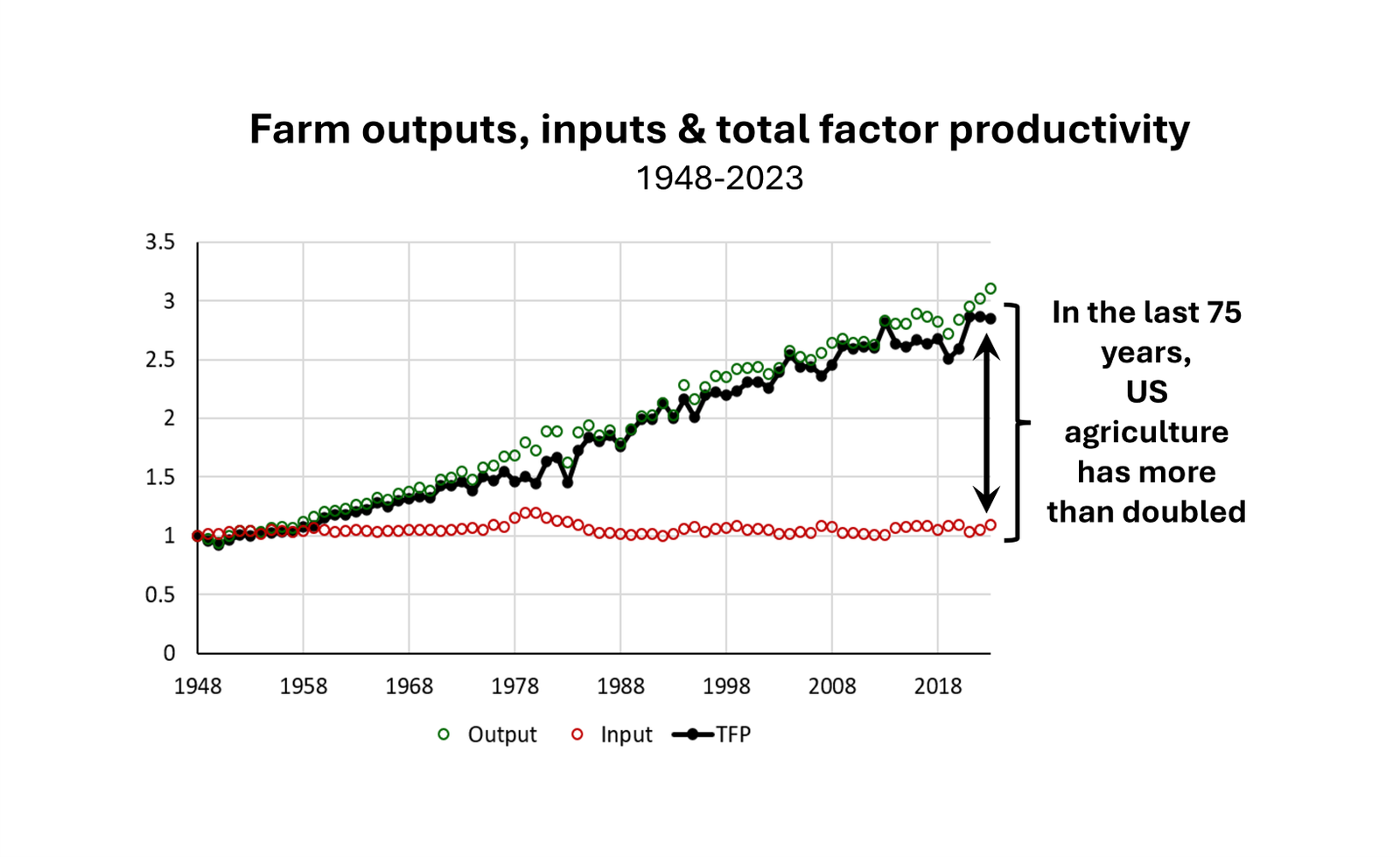
Remember, US Farms Continually Produce more Outputs using Fewer Inputs!
The last several years, identifying challenges with the US food system has become a popular sport. Food prices are rising and public conversations of food waste are growing. This may cast doubt about the US food system. The US food … Continue reading →
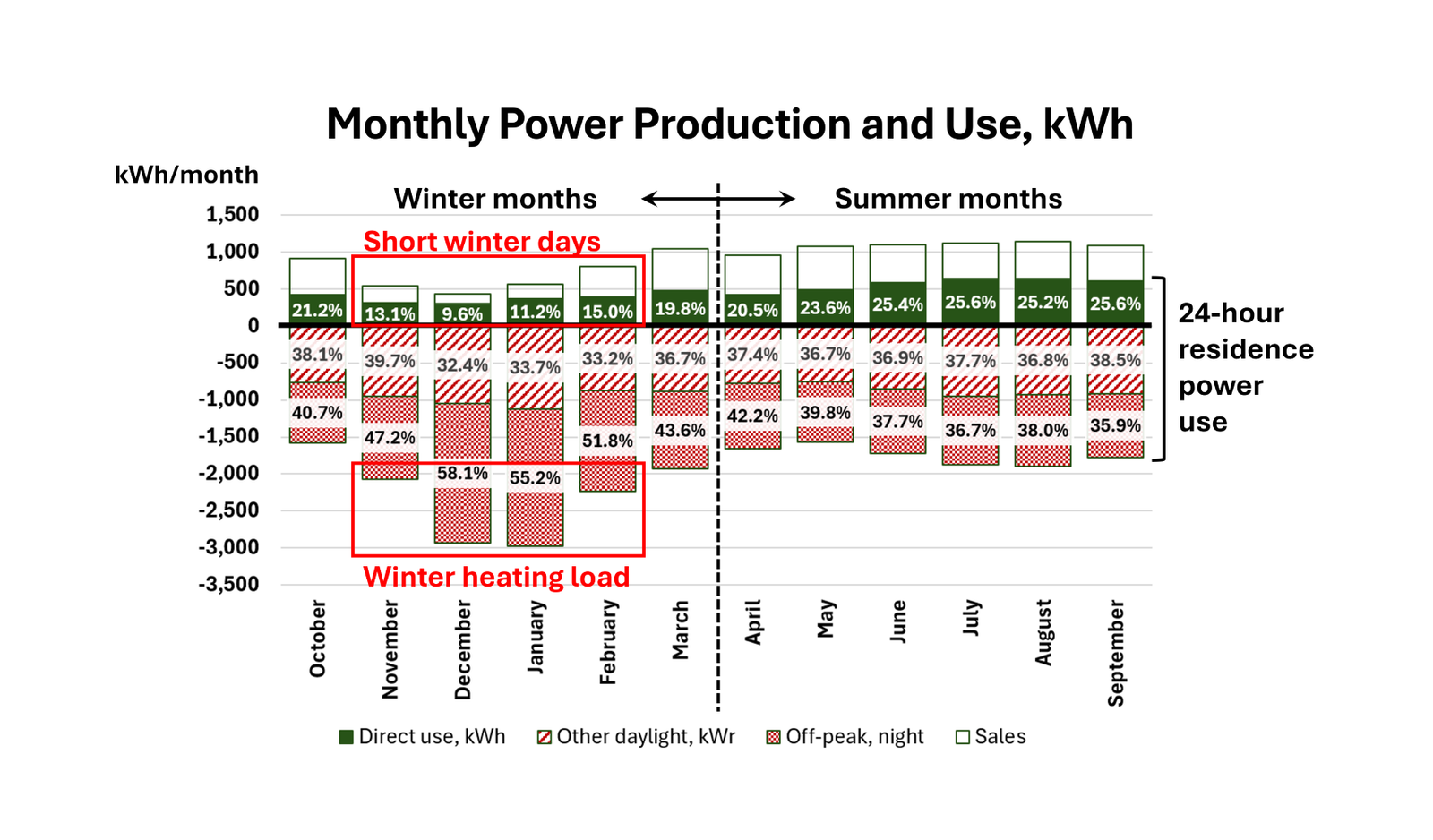
24 Months of Power Production on A Residential Solar Array – Making $ense of Energy
The first week of July (2026), the previous 24 months of solar panel output were presented in the post, Annual and Daily Solar Production from a Residential Array – Making $ense of Energy. The greatest surprise was the high variability … Continue reading →
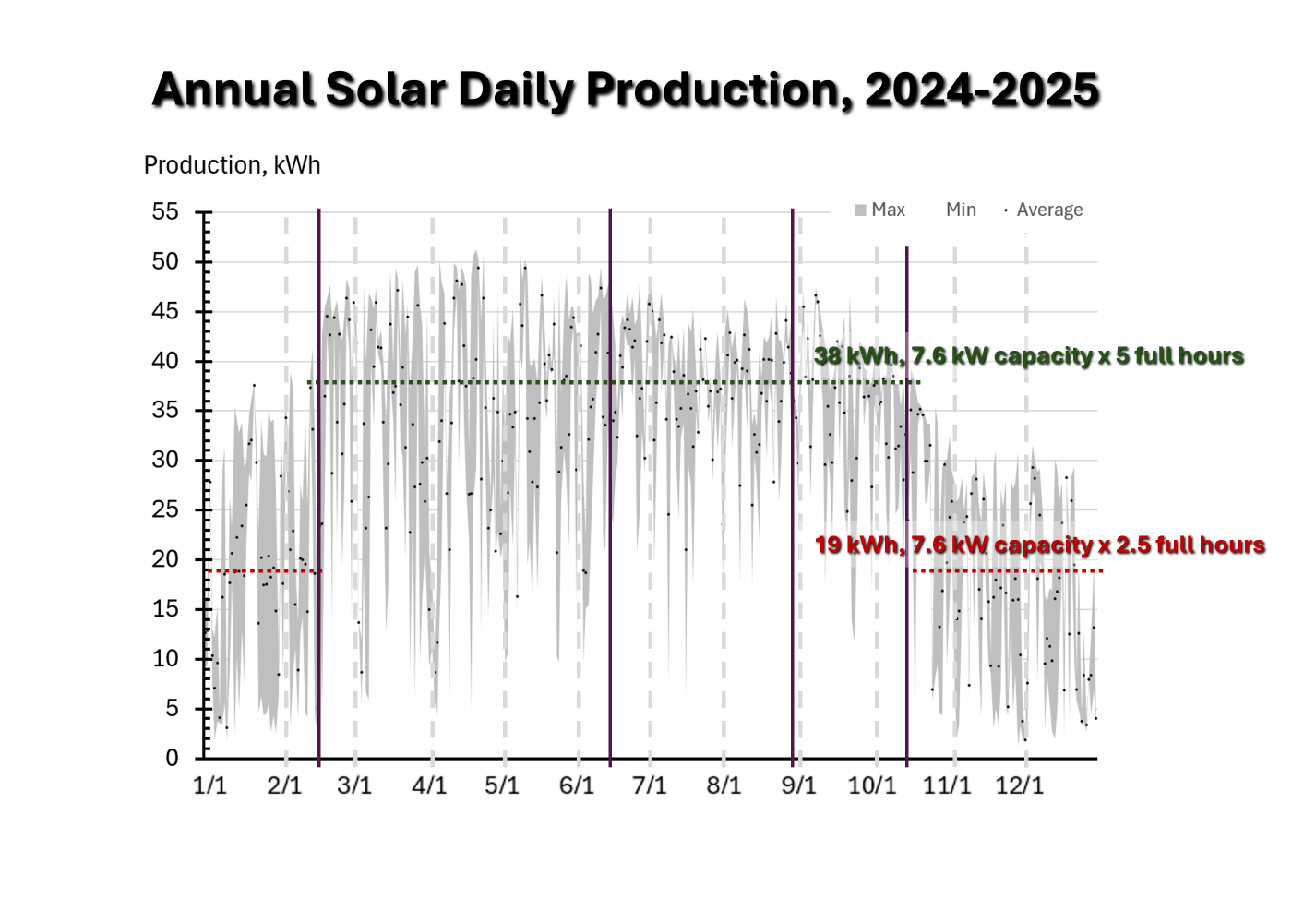
Annual and Daily Solar Production from a Residential Array – Making $ense of Energy
Biomass Rules has been collecting solar production data every 5 minutes for the last 30 months (40,000 sunlight datapoints per year). The most surprising discovery is the variability. Solar output on any single day is highly variable. Most days, it … Continue reading →
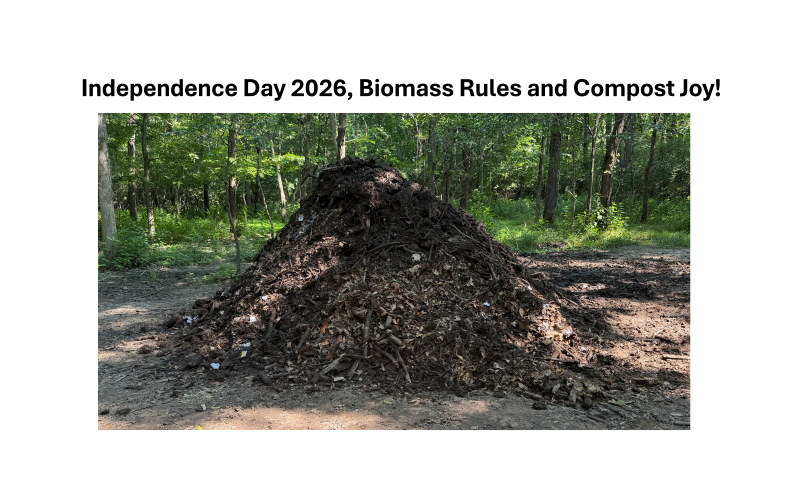
Self-Reliance and Compost Therapy on Independence Day – Biomass Rules!
While a Peace Corps Volunteer in Nepal, 40 years ago, I could tell the time on a cloudless night by the rotation of the stars around the North Star. That was a pretty cool revelation. Biomass Rules posts a lot … Continue reading →
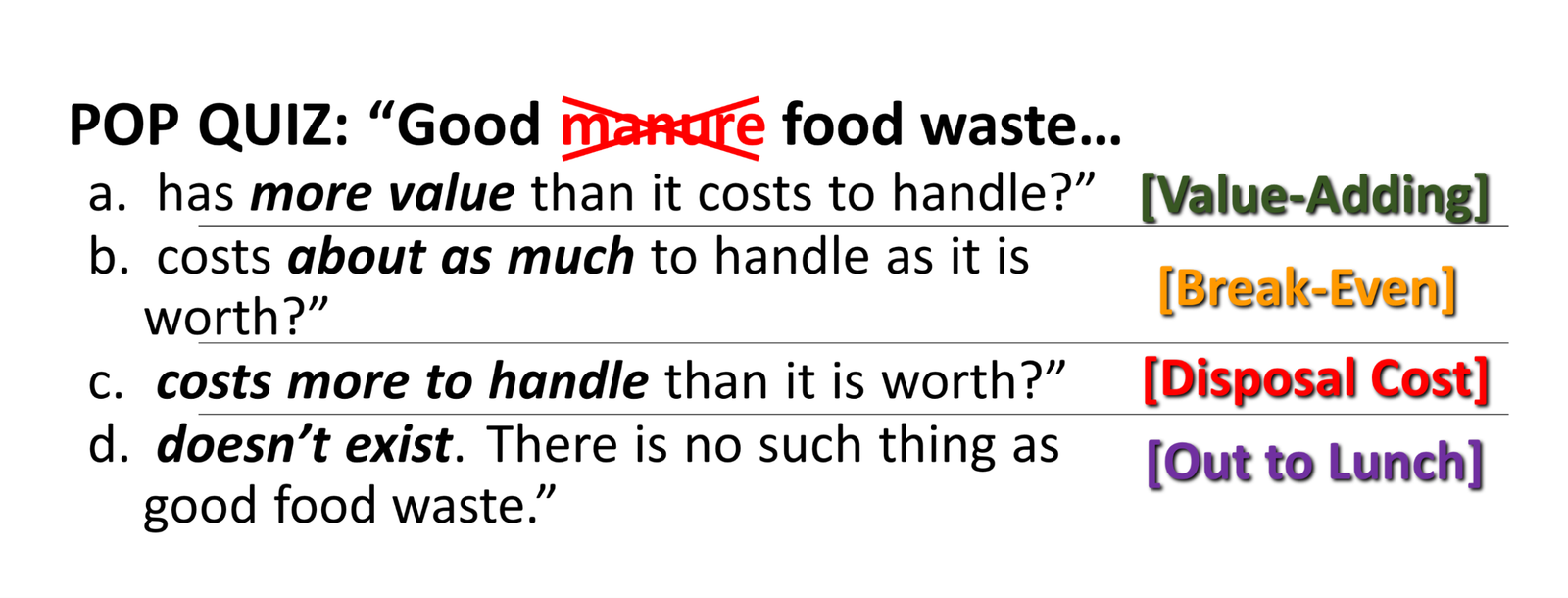
Food Waste is Best Defined as a Feedstock – Food Price Fun
June 24, 2026 was National Upcycling Day, in the month of June that was Food Upcycle Month. On social media that day, I saw a comment by a food waste group that “food waste is a feedstock.” In food waste … Continue reading →
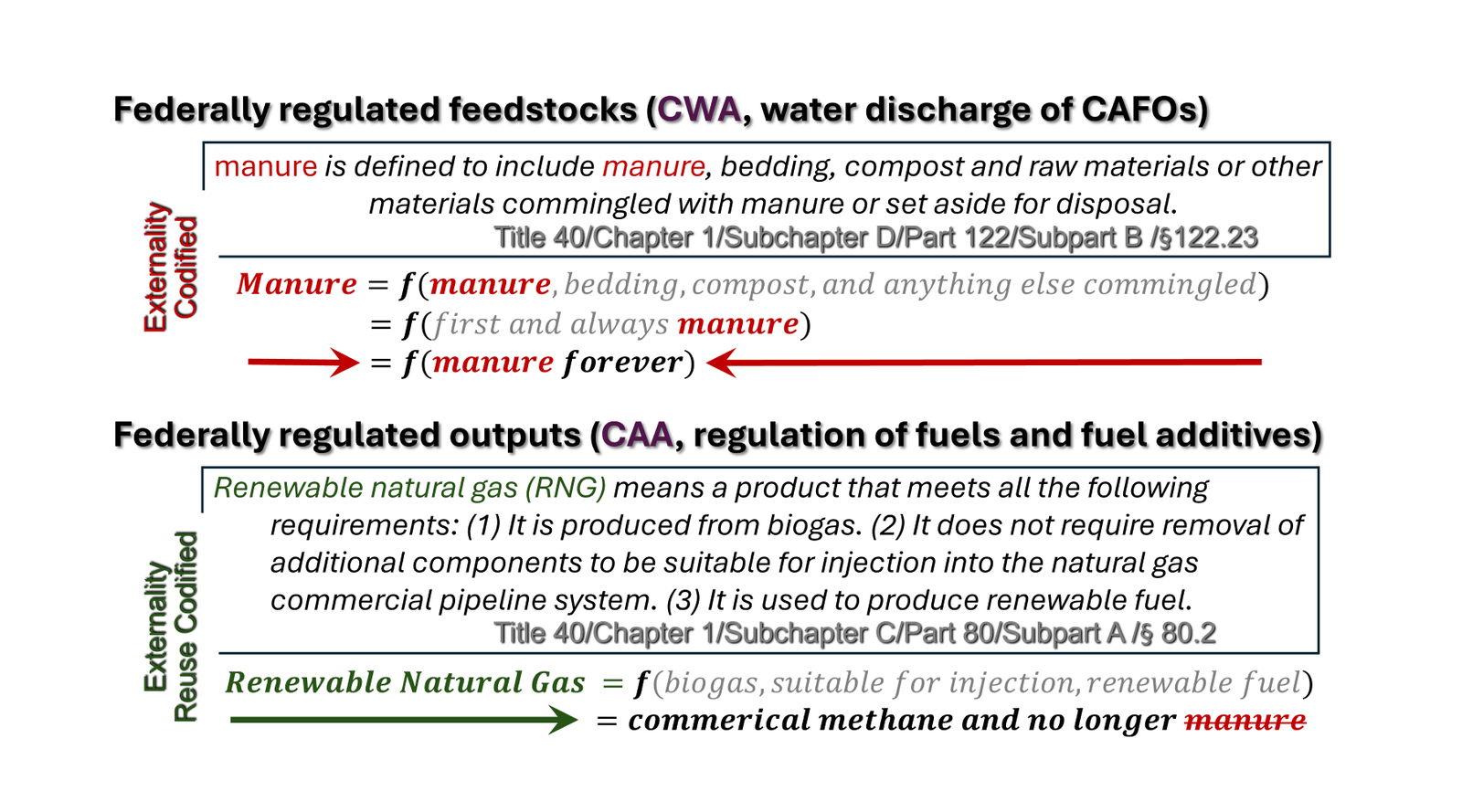
Regulating Carbon Emissions into Water and Air – Old School Style
Manure is not created equally. Livestock feces and urine is composed of unused carbohydrates, nutrients, and water, and it is not homogeneous. Corn, soybeans, and forages go into livestock and poultry feed, but what comes out depends on environmental conditions, … Continue reading →
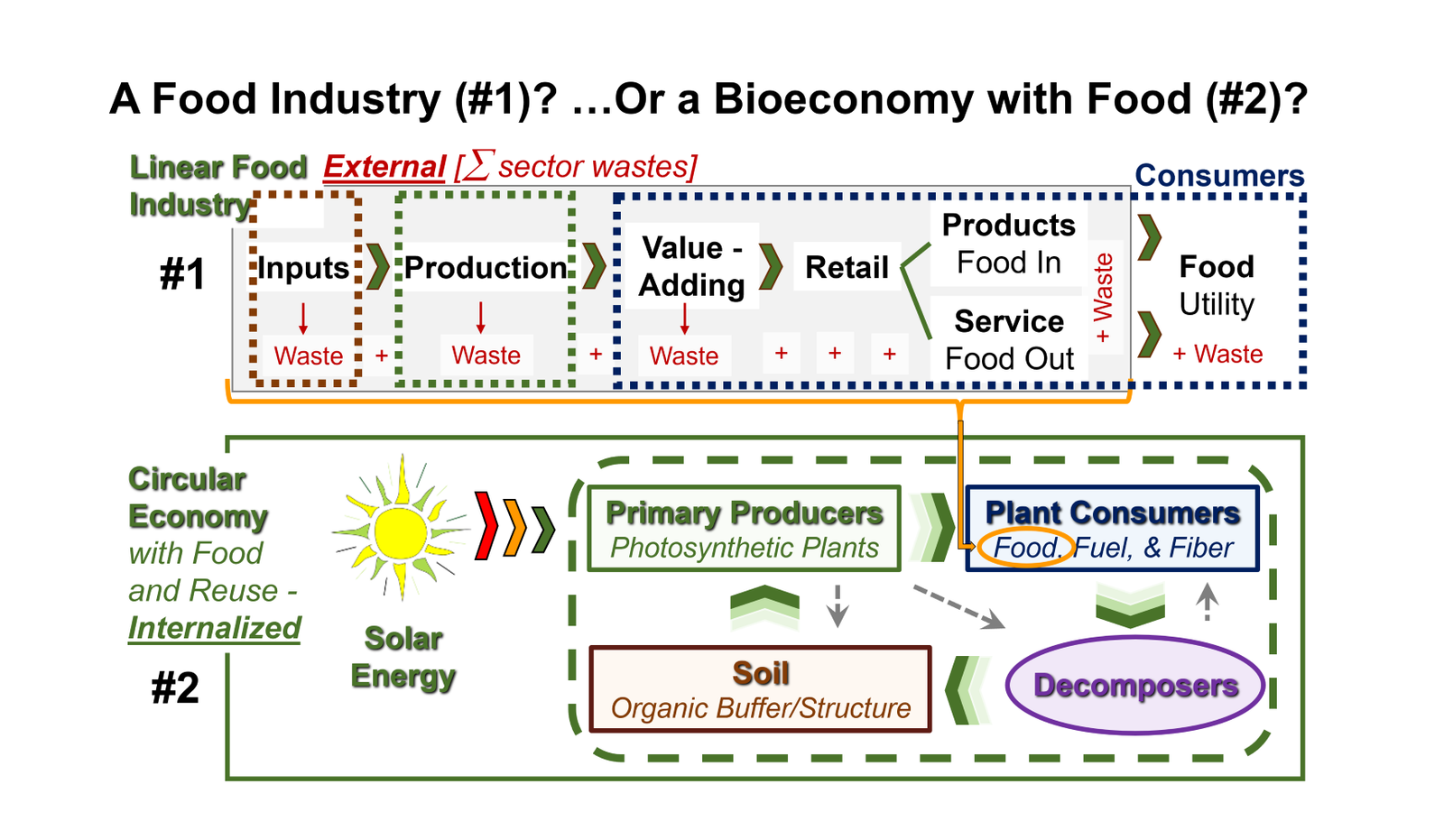
The World, the Economy, and Food Waste Management, are not Flat
We do not live in a straight-line world. Although food markets are much easier to navigate in 2 dimensions. A linear, food industry supply chain makes intuitive sense when thinking about inputs > farming > processing > retail (Model #1 … Continue reading →