↓
 
Biomass Rules

Biomass Rules

Adding Clarity to All Things Bio!

Biomass Rules
  • Home
  • About Biomass Rules
  • Contact Biomass Rules
  • Biomass Links that Rule
  • Everything BIO
  • Bio-Blog

Post navigation

← Older posts
Newer posts →

US 2022 Ag Census Farms – Who are They?

Biomass Rules Posted on March 26, 2024 by Mark JennerApril 30, 2024

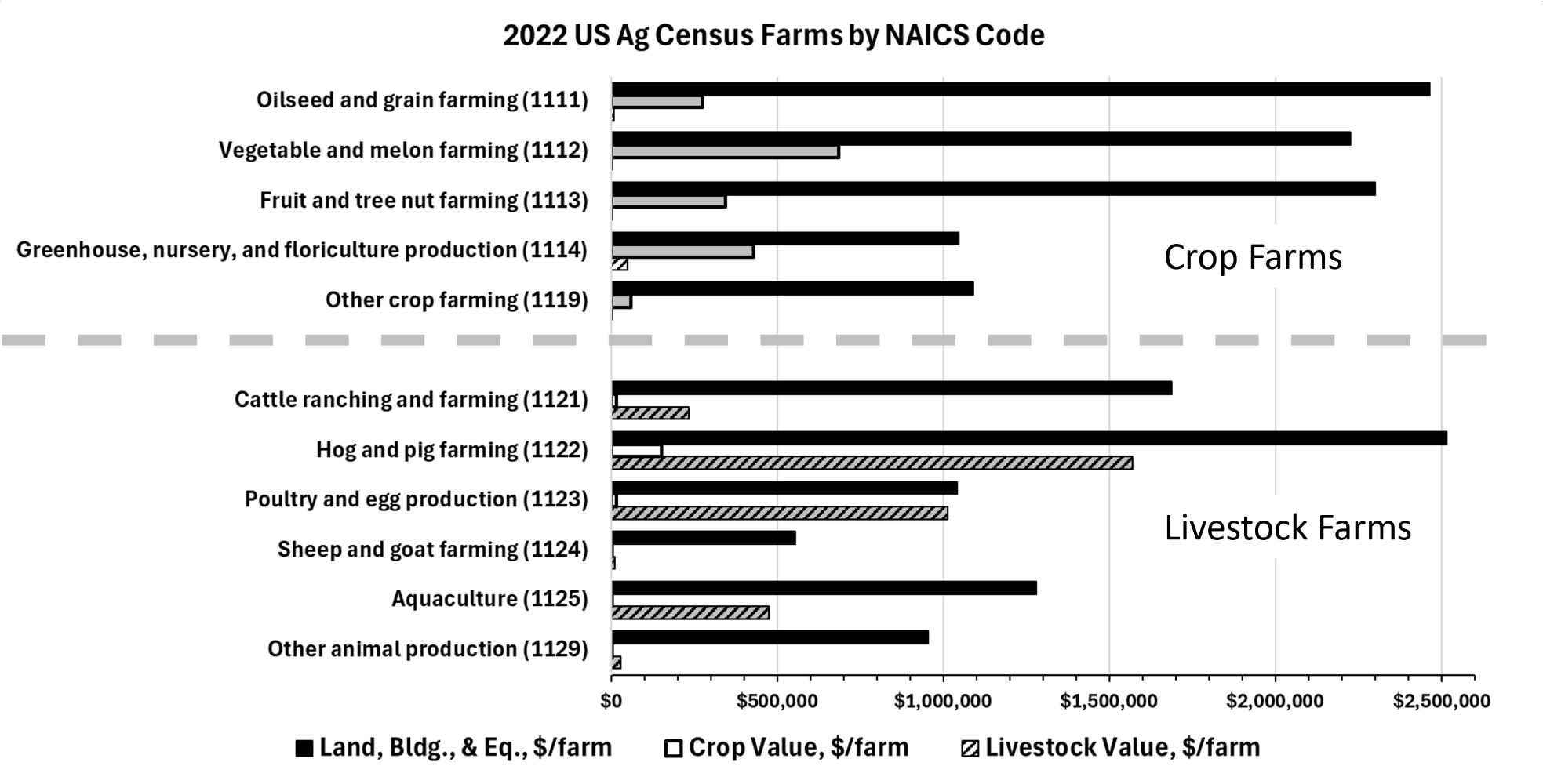
Abraham Lincoln commissioned the first census of farm by the Department of Agriculture 180 years ago.  Some of the data categories have not changed since then, like specifying a farm of 1 to 9 acres in size.  As a culture, … Continue reading →

Posted in production, science | Tagged $1000 of real or potential sales, 1 million farms less than 100 acres, 1.9 million farms, 2022 Ag Census farms, 5499 farms over 1000 acres with $1 million sales, acres, correct metric, farm size, farms, National Agricultural Statistics Service (NASS), US 2022 Ag Census, US 2022 Ag Census farms - who are they, USDA, value of sales | Leave a reply

Shaping Ag Data by Showing Up When Cool Things Happen

Biomass Rules Posted on March 26, 2024 by Mark JennerApril 28, 2024

The 2022 Census of Agriculture was released on February 13, 2024.  This image is the top of the first table, Table 1, in the 750-page data document on summary data in the United States for the production year, 2022.  In … Continue reading →

Posted in farm, policy | Tagged 1.9 million farms, 1997 Commerce Department methodology, 1997 USDA methodology, 2022, 463 acres per farm, Census Bureau, Census of Agriculture, cool things happen, National Agriculture Statistic Service (NASS), shaping ag data, shaping ag data by showing up when cool things happen, showing up | Leave a reply

MAN–U–RE GOOD (Man, You Are Good)!!

Biomass Rules Posted on March 26, 2024 by Mark JennerApril 27, 2024

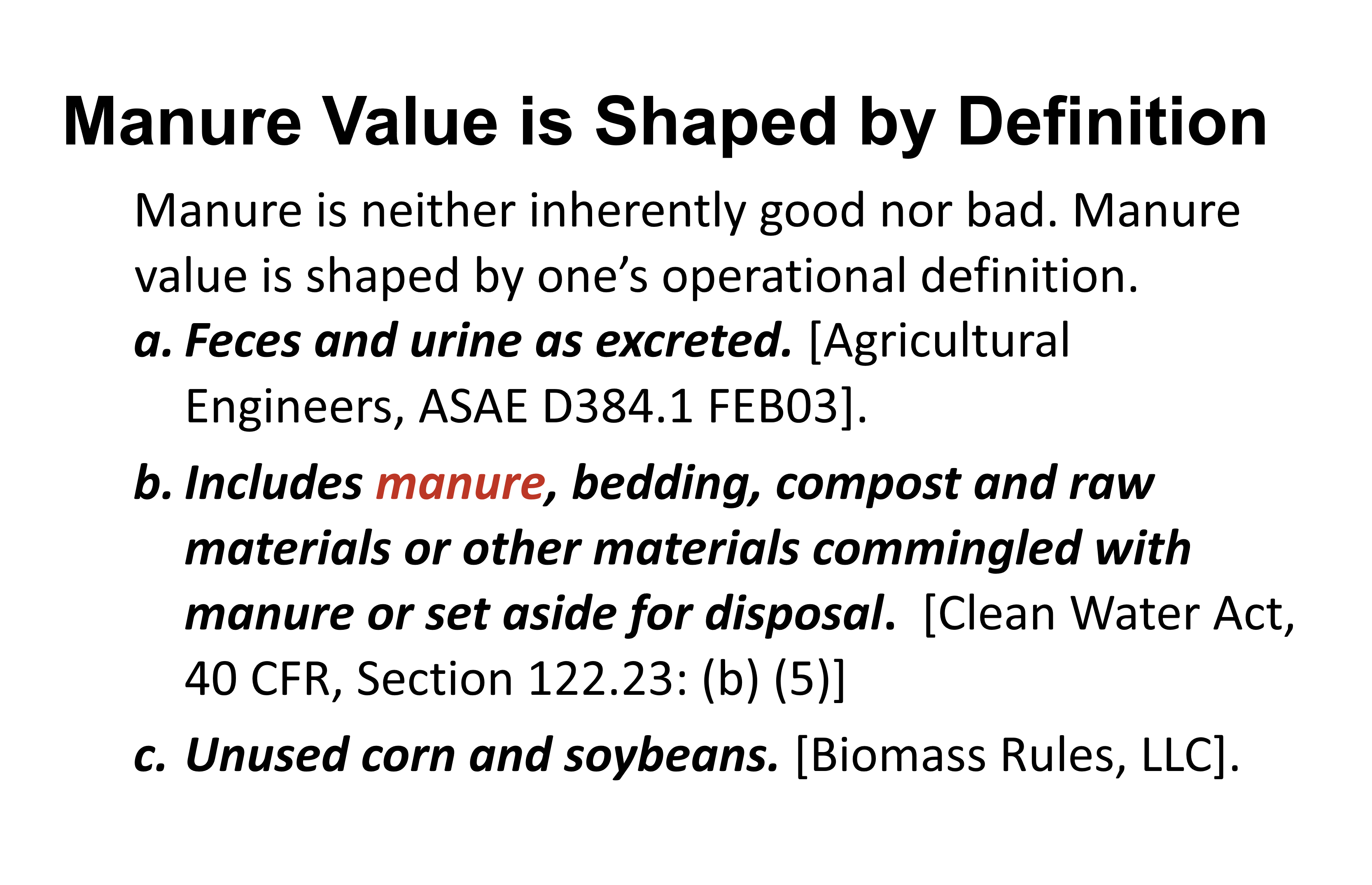
From the archives of fun papers I have written, this one from when I was a manure economist with the American Farm Bureau Federation in 2001.  We had been working through the politics of manure production and use with the … Continue reading →

Posted in definition, policy | Tagged building materials, composts, costs more than it is worth, electricity, ethanol, good manure doesn’t exist, heat, man you are good, MAN-U-RE GOOD (man you are good), MAN–U–RE GOOD, methane, more value than it costs, nitrogen, phosphorus, tipping fees, worth as much as disposal cost | Leave a reply

Agribusiness Markets Go Well Beyond Food

Biomass Rules Posted on March 26, 2024 by Mark JennerApril 27, 2024

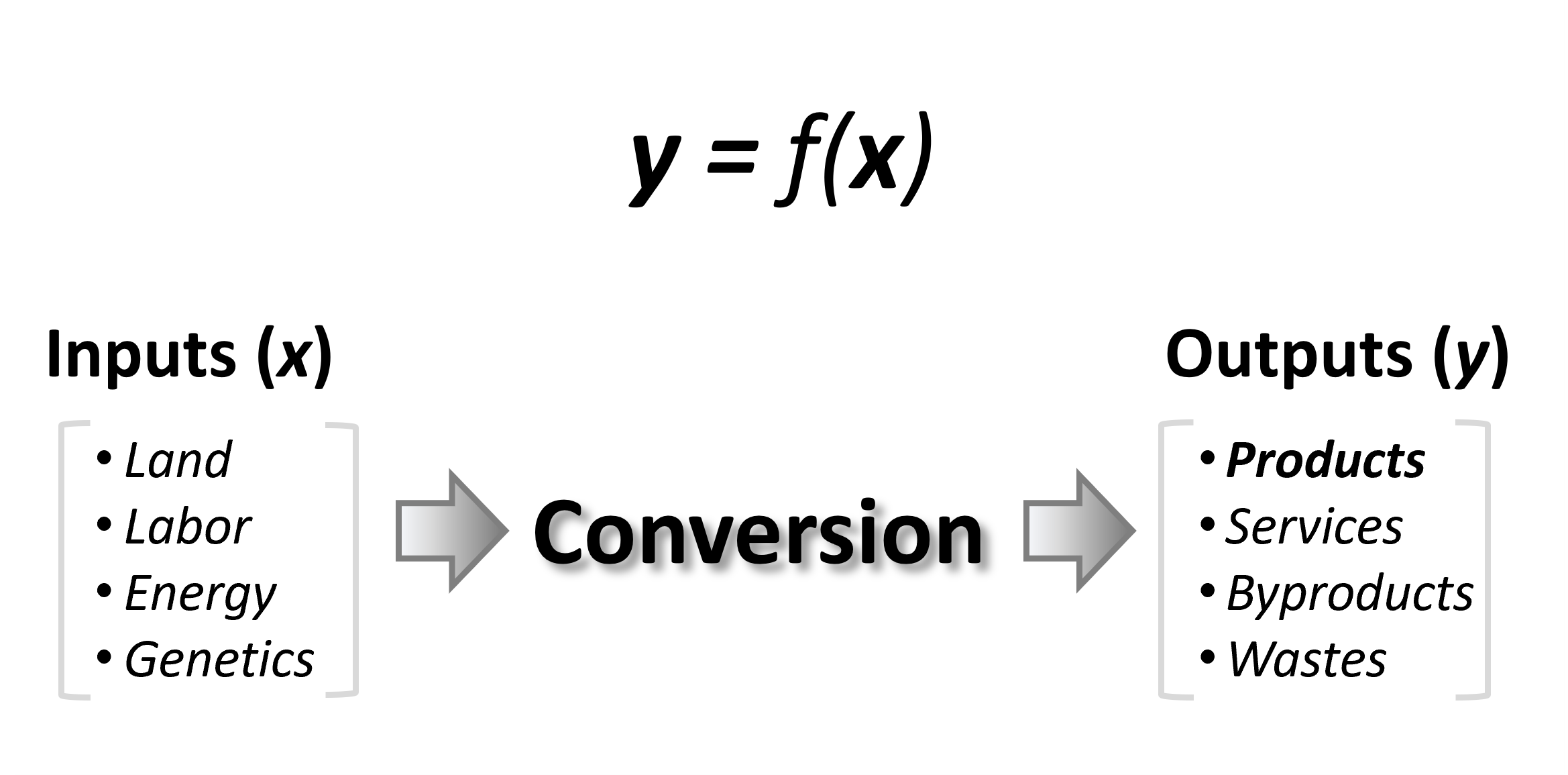
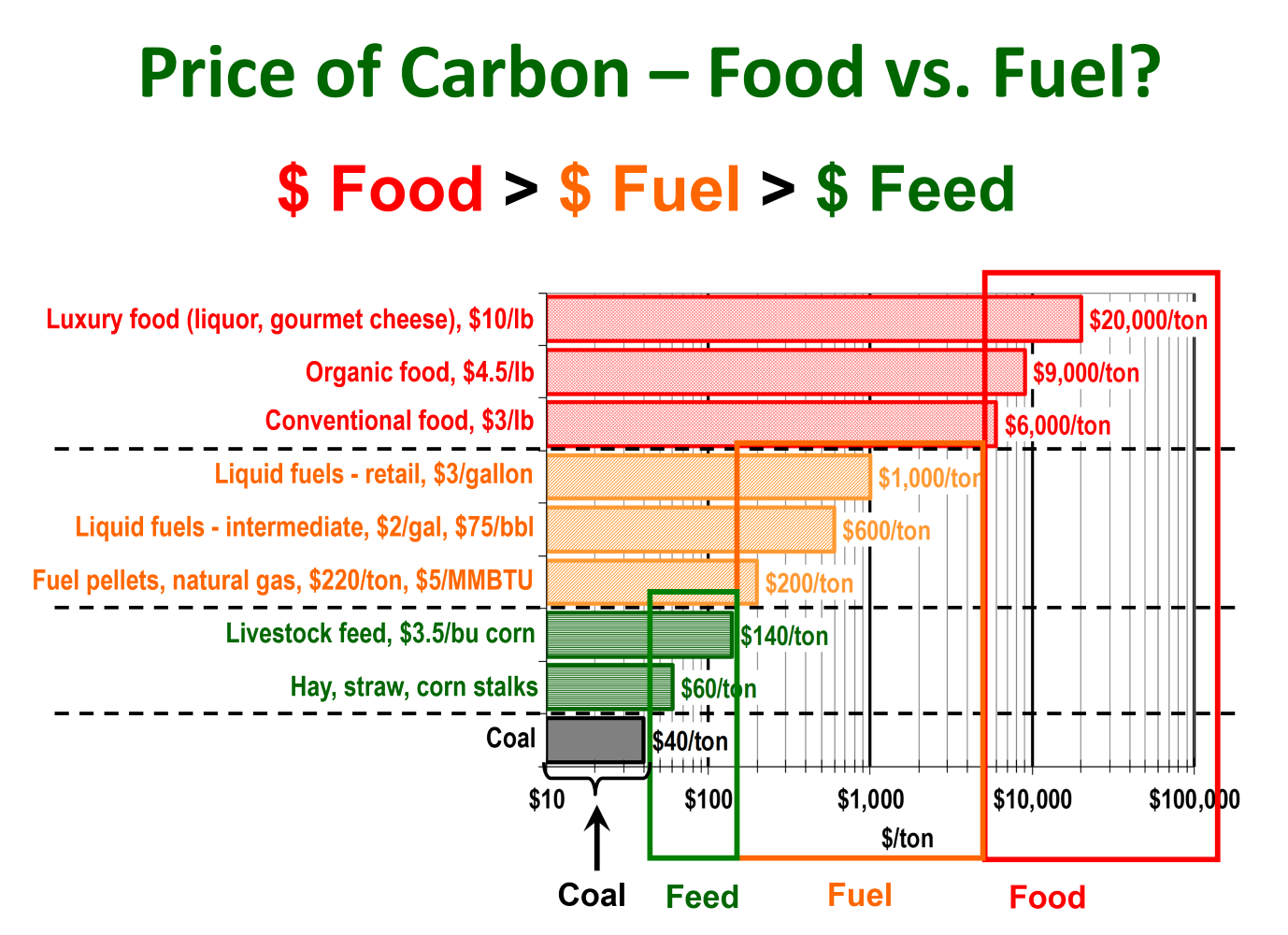
In the old days, agribusiness referred to a business providing farm inputs.  This broadly impacted everything involving goods and services connected to agricultural commodities.  Commodities are the raw products from crops and livestock that cannot be differentiated on product quality.  … Continue reading →

Posted in economics, wealth creation | Tagged ag commodity, agribusiness, agribusiness markets, agribusiness markets go well beyond food, and non-food, beyond food, bioenergy, carbon, climate, environmental services, fiber, food, markets, value chain | Leave a reply

A Tale of Two Markets: Local and Global

Biomass Rules Posted on March 26, 2024 by Mark JennerApril 26, 2024

Local and global markets for ag and biomass products are two distinct markets that are interdependent. They are two parts of the same system.  It is a ‘both and’, rather than ‘one or the other.’ One of these unique markets … Continue reading →

Posted in Biomass Rules, economics, wealth creation | Tagged a tale of two markets, a tale of two markets - local and global, both and, ethanol premium for local corn, global, in the neighborhood, local, local and global, local as comparative advantage, markets, not one or the other, positive basis | Leave a reply

Bioenergy Success Depends on Local Markets that ‘Are in the Neighborhood’

Biomass Rules Posted on March 25, 2024 by Mark JennerDecember 12, 2024

Local markets are defined in more than one way which distracts from agreement on the value of local markets. In calculus, local maxima, are defined as a relative measure rather than an absolute boundary. No explicit boundary is defined. Local … Continue reading →

Posted in definition, policy, wealth creation | Tagged basis, bioenergy, bioenergy success depends on local markets that are in the neighborhood, buy local, cash, comparative advantage, demand, depends on local, futures, global, in the neighborhood, local, local maxima, relative, restricted demand, success, trade, undefined | Leave a reply

Local, the Uneasy Substitute to Global

Biomass Rules Posted on March 25, 2024 by Mark JennerApril 25, 2024

As a quantitatively trained, free-market economist, I had been shaped to believe buying ‘local’ was a preference that was not cost-effective. But as I grew into a manure visionary and biomass systems economist, bulky and wet materials of limited value … Continue reading →

Posted in analytics, Biomass Rules, science | Tagged bioenergy, bulky, change, competitor, export, externality, global, import, livestock, local, local food, local the uneasy substitute to global, low-value, manure, opportunity cost, supply chain, systems, uneasy substitute, Word Bank | Leave a reply

Adding Value to Benefits, Not Readily Monetizable

Biomass Rules Posted on March 25, 2024 by Mark JennerApril 25, 2024

What? This is what biomass systems economists do. We add value to goods and services in value attributes that go beyond having a price in dollars. Most of my economist colleagues are brilliant price analysts. I am a manure visionary … Continue reading →

Posted in analytics, science | Tagged adding value, adding value to benefits, adding value to benefits not readily monetizable, asset, attributes of value, benefits, biomass systems, difficult-to-monetize, energy, greenhouse gas, life cycle, model, non-price economist, not monetizable, offset, performance metrics, water, welfare | Leave a reply

Academic Agribusiness in a Microeconomic Model

Biomass Rules Posted on March 21, 2024 by Mark JennerApril 25, 2024

Teaching undergraduate college students, today, means meeting them where they are at, on their terms.  For subjects like agribusiness, economics, bioenergy systems, and environmental services there is no shortage of compelling topics.  The value added by the classes must provide … Continue reading →

Posted in education, policy | Tagged 21 credit hours, academic agribusiness, academic agribusiness in a microeconomic model, agribusiness, business identity/structure, business model, business planning, critical thinking, financial plan, Greenville University, marketing plan, microeconomic model, operation plan, problem-solving, teaching, undergraduate | Leave a reply

Discerning Agribusiness in the Macroeconomy

Biomass Rules Posted on March 21, 2024 by Mark JennerApril 25, 2024

The last seven years, Greenville University has been building a BS in Agribusiness, in their Briner School of Business. This has required a target market for arming agribusiness graduates, hungry for leadership in their formative careers. This chart from USDA, … Continue reading →

Posted in economics, macro | Tagged 5.4 percent of GDP, agribusiness, agriculture, discerning agribusiness, discerning agribusiness in the macroeconomy, Economic Research Service (ERS), final goods and services, gross domestic product (GDP), macroeconomy, plant-derived products, production sector, related industries, retail sector, reuse not included, straighter pathways, USDA, value-adding sector | Leave a reply

Post navigation

← Older posts
Newer posts →

Recent Posts

  • Greenville University Agribusiness, a Decade of Program Success
  • Which Sector Leads Agricultural Workforce Development?
  • Where Have All the Domestically Produced Manure Nutrients Gone?
  • Composting Adds Value Regardless of the Economic Chaos Flavor of the Day
  • Negative Population Growth in US Rural Nonmetropolitan Counties

Mark Jenner, PhD
Biomass Rules
Greenville, IL 62246
c. 618.223.9331
e. biomassrules@gmail.com

Linked In Logo for Mark Jenner's Profile including Biomass Rules.com!

Mission Statement:
Providing solutions through the strategic utilization of all kinds of biomass; the development of new markets for food, fiber, and fuels; and streamlining regulations.

bio·mass:
ˈbī-ō-ˌmas. noun. 1 : the unit area or volume of living matter, 2 : plant materials and animal waste used as renewable feedstocks into new processes.

rules:
'rül. 1: noun. 1 : regulations, bylaws or governing procedure, 2: verb. a : to exert control, direction, or influence on, b : to declare authoritatively.

Manure…
is not a four-letter word.

©2024—Biomass Rules—All Rights Reserved.

↑