
Reflecting on the Start of a College Teaching Career, August 2016
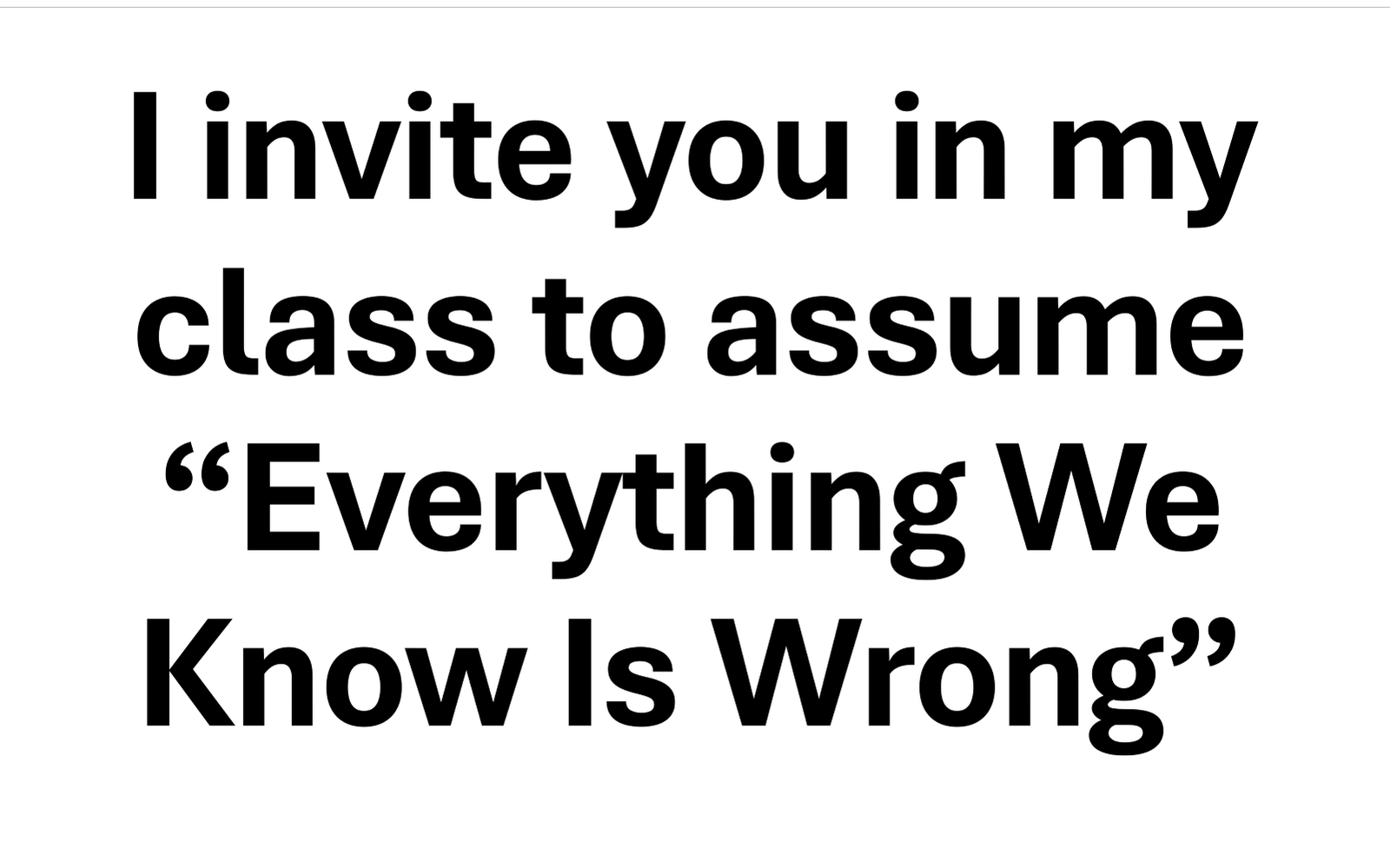
When I started teaching in 2016, I did not have a lot of classroom teaching experience. But I had been solving difficult problems for decades. I wanted to teach the students the best knowledge, but also to think critically. They should not settle for the easy answers. At the end of the first class period, I invited students to challenge everything.
As college classes begin, there is time to reflect on the start of my college teaching career that began ten years ago. Career number 10, began as the Director, Agribusiness, Greenville University. I moved back to my ancestorial community of Greenville, Illinois at a time when the local private college was expanding into an agribusiness degree. If it had not been for the previous nine careers, I would not have believed I could build an agribusiness degree, especially an ag degree that was housed in the business school.
I was nearly 60 years old when I began teaching. Over the first 40 years of my professional journey, the solutions and facts I was taught in college in the 1970s often did not fit the reality of my work challenges. It was almost never due to a lack of reliable information. More often, it was simply that there was better information that wasn’t the starting point for the industry or a conflicting policy.
Things that required larger views over the years.
- Working on a farm in Germany in the late ’70s required more scope than the more narrow version of World War II history than provided in the US schools.
- In the early 1980s, the field trials in remote, rural Nepal, set up by credentialed agricultural experts, did not behave the way we learned that crops grew in the Heartland of the United States, even after adapting them to local conditions. Very smart people needed more information.
- The best stewardship for frequent manure-derived water quality problems of the 1990s, required manure nutrients to be applied at phosphorus levels of corn uptake first, and not at the much heavier nitrogen nutrient uptake levels.
- Until the 2000s, US fish farmers often did not have legal ownership rights of their fish. Strong environmental laws considered fish – regardless of ownership rights – to be part of the waters of the United States. I was part of a team that changed that.
- Also, it was difficult to imagine during this time that contract poultry growers did not have the ability to negotiate their grower contracts. We added clarity to aspects of those contract relationships as we could.
- In the early 2000s, we all learned that phosphorus – particularly phosphorus found in manure – had an aqueous form that was not readily bound in the soil.
- Consulting through Biomass Rules in the 2000s provided profitable value-added solutions by looking through byproduct liabilities of businesses with a different lens.
- If businesses do not manage industry byproducts, they become costly.
- When businesses manage industry byproducts, those byproducts can provide additional revenue.
In short, conventional wisdom did not get any specific industry to their new tomorrow. It required a deeper vision. Simply tweaking the previous fix was not enough.
The idea of starting a 4-year, academically competitive agribusiness degree in a business school could not happen by simply mirroring a similar agribusiness degree at a public land grant agricultural college. There were no redundancies in other degree programs to teach agricultural terminology. Nearly all the local outside speakers that joined any of business classes, were likely agribusiness leaders, so that helped. Plus, the agribusiness program director (me) also taught all the business students in economics and operations management, which also helped. Providing everything for agribusiness students in a small business school required a new curriculum.
This, “Everything We Know is Wrong” was not the main message in that first class presentation. It was a parting reminder and gentle invitation to go deeper in those initial August 2016 classrooms. Young minds must soak up all the known and conventional facts but test the reliability of one’s own known knowledge for novel solutions. Critical thinkers change the world.
I do not think that the “Everything We Know is Wrong,” slide remained in my opening class presentations very long. I got much better at teaching young minds to think critically. The agribusiness students that followed me for more than one or two classes learned that if they followed me into a few rabbit holes, they would learn to see things other students did not see. I enjoyed trying to get students to look for solutions that went deeper than the obvious.
Pingback:US Dairy Farms Keep Lowering Methane Emissions – Biomass Rules